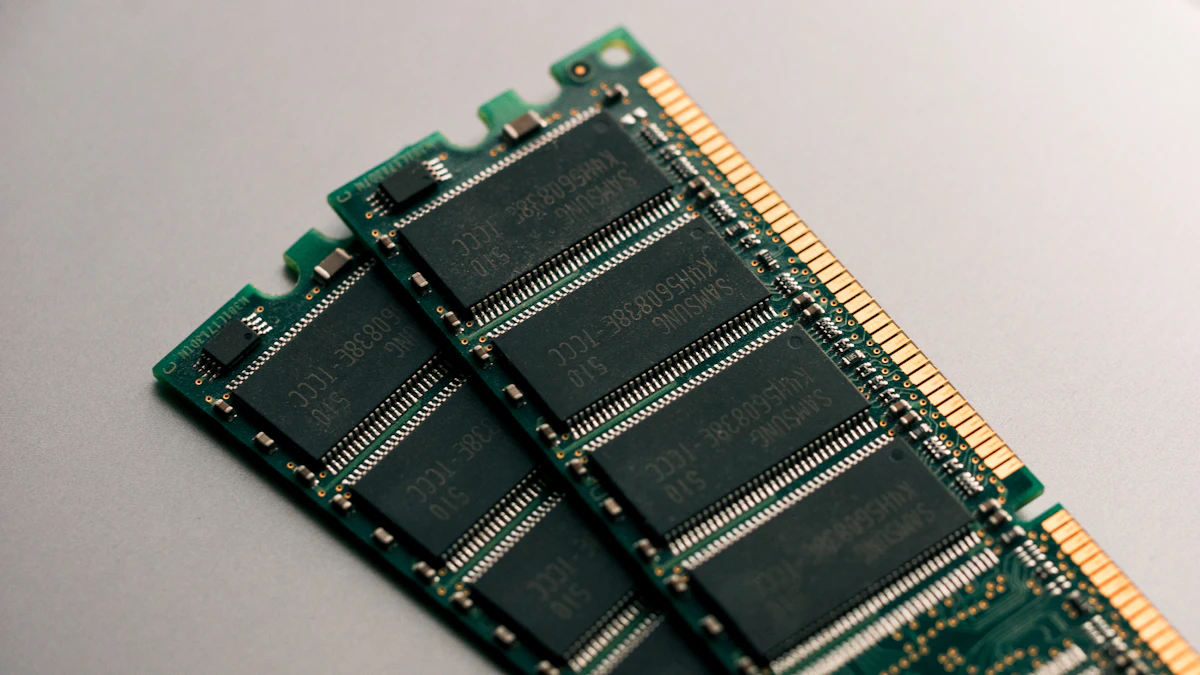
Why Is RAM So Expensive in 2026? Should You Buy Now or Wait?
If you've priced a RAM upgrade recently and done a double take, you're not imagining it. DDR5 prices have risen more than 110% over 2026, and some kits are up 400-600% from their 2025 lows. A 32GB DDR5-6000 kit that cost around $90 in mid-2025 now runs $450 or more as of mid-2026.
This isn't a normal supply blip that corrects in a quarter or two. The cause is structural: AI datacenters are consuming roughly 20% of global DRAM production, and memory makers have shifted output toward server memory and HBM, where the margins are. Consumer RAM is getting what's left.
This guide explains what happened, whether you should buy now or wait based on your actual situation, and how to spend as little as possible if you do have to buy.
Why is RAM so expensive in 2026? The short version
The AI buildout is eating the memory supply chain. Datacenter operators are buying DRAM in volumes the industry has never seen, and manufacturers responded by reallocating production lines from consumer DDR5 to server memory and HBM (the stacked memory that goes on AI accelerators). That's a rational business decision for them and a painful one for anyone building or upgrading a PC.
- DDR5 prices rose roughly 110%+ over 2026, with some kits up 400-600% from 2025 lows.
- AI datacenter demand is consuming around 20% of DRAM production.
- DDR4 isn't a safe haven: production is winding down and DDR4 prices are elevated too.
- No credible forecast points to relief in the second half of 2026.
This is a structural supply shift, not a temporary shortage. Waiting a month or two for a sale is unlikely to save you money the way it used to.
What RAM actually costs right now
The clearest example: a mainstream 32GB DDR5-6000 kit that sold for about $90 in mid-2025 now costs around $450 or more as of mid-2026. That's the same product, same speed, same capacity — the only thing that changed is the market underneath it.
DDR4 owners aren't insulated either. With manufacturers winding down DDR4 production to free up capacity, DDR4 kits that used to be bargain-bin parts are also elevated. The used market is now genuinely worth considering for DDR4, which was rarely true before.
Don't assume DDR4 is still cheap because it's the older standard. Check current pricing before planning an upgrade around it — production wind-down has pushed DDR4 up too.
When will RAM prices drop?
Analysts expect meaningful price correction no earlier than late 2027. That's when new manufacturing capacity comes online and the current AI-driven allocation pressure is expected to ease. Nothing credible points to relief in the second half of 2026.
That timeline matters for your decision. If you're waiting for prices to fall, you're realistically waiting a year or more — not a few months. For most people with a real need, that's too long to sit on a system that's struggling.
Should you buy RAM now? A decision framework
The right answer depends on why you're buying, not on trying to time the market. Split it by situation:
- Your PC is broken or has failing RAM: buy now. You need a working machine, and waiting for late-2027 relief isn't a plan.
- You're on 8GB and games stutter or crash: buy now, but buy 16GB or 32GB — not more. The capacity jump off 8GB is where the real improvement lives.
- You're on 16GB and it's genuinely limiting you (heavy multitasking, modern AAA titles with apps open): buying now is defensible. Prices are projected to stay high, so waiting mostly means paying similar money later while living with the limitation.
- You're on 16GB and just want headroom: wait. A discretionary upgrade at crisis pricing is the worst value in PC hardware right now.
- You're planning a full new build: consider whether the build can wait until 2027. If it can't, budget realistically — memory and storage are the expensive line items now, not the GPU markup era of years past.
Buy RAM when you have a concrete problem it solves. Never buy capacity 'because it's a good deal' — in 2026, it isn't.
How to cope: spend less on the RAM you actually need
If you do need to buy, the goal is minimum viable spend. That means right-sizing capacity and squeezing what you already own first.
- Buy 32GB, not 64GB. For gaming and everyday multitasking, 64GB is headroom you'll likely never touch — and at current prices it's hundreds of dollars of insurance against nothing.
- On DDR4 platforms, check the used market. Plenty of DDR4 kits are floating around from upgraders, and used DDR4 is one of the few ways to dodge current pricing.
- Enable XMP/EXPO before buying anything. Many systems run RAM at slow default speeds; flipping one BIOS setting is free performance.
- Confirm you're in dual-channel. A single stick or mismatched configuration costs real performance and fixing it may matter more than adding capacity.
- Close the actual memory hogs. If a browser with 40 tabs is what pushes you over 16GB, that's a cheaper fix than a $450 kit.
Does this change which upgrade you should do first?
Yes, potentially. Upgrade priority is usually about what's bottlenecking you — but when one component category quadruples in price, value math shifts. A GPU or CPU upgrade that was second on your list may now deliver more improvement per dollar than a RAM upgrade at crisis pricing.
Context for the rest of the market as of mid-2026: GPU prices are rising too, with Nvidia releasing no new gaming GPUs in 2026, while CPU prices are stable. Memory and storage are the parts of a build where waiting hurts most right now — so if RAM is a genuine bottleneck, it stays on the list; if it's a nice-to-have, push it down.
If you're not sure whether RAM is actually your bottleneck, check before you spend. Task Manager's memory graph while gaming tells you more than any price chart.
What about DDR4 systems specifically?
If you're on an AM4 or older Intel platform running DDR4, you're in an awkward spot: your platform's memory is being phased out of production, and its price no longer reflects its age. The question becomes whether to put money into DDR4 at all.
- If 16GB of DDR4 is genuinely limiting you, a used 32GB kit is often the most sensible move — it keeps the platform alive without paying new-kit prices.
- If you're already considering a platform jump to AM5/DDR5, be aware you'd be buying into DDR5 at its worst pricing in years. Run the numbers on the whole platform cost first.
- A CPU-only upgrade on AM4 (keeping your existing RAM) sidesteps the memory market entirely and is often the best value play on that platform right now.
Verdict
RAM is expensive in 2026 because AI datacenter demand has structurally reshaped the memory market, and no relief is expected before late 2027. If you have a broken PC or a genuine capacity problem, buy now — waiting means living with the problem for a year-plus at similar or worse prices. If your upgrade is discretionary, skip it and put the money toward whatever is actually bottlenecking your system. Not sure which that is? Run your specs through the Analyzer at /analyze and it will tell you whether RAM is really the limiting factor before you spend a dollar.
Frequently Asked Questions
Why did RAM prices go up so much in 2026?▸
AI datacenter demand is consuming roughly 20% of DRAM production, and memory makers shifted manufacturing capacity toward server memory and HBM. Consumer DDR5 supply shrank while demand didn't, pushing prices up more than 110% over 2026.
When will RAM prices go back down?▸
Analysts expect meaningful correction no earlier than late 2027, when new manufacturing capacity comes online. There is no credible forecast of relief in the second half of 2026.
Should I buy RAM now or wait for prices to drop?▸
If you have a real, current problem — a broken PC, 8GB causing stutters, genuine capacity limits — buy now, because relief is over a year away. If the upgrade is discretionary headroom, wait it out.
Is DDR4 still cheap in 2026?▸
No. DDR4 production is winding down as manufacturers reallocate capacity, and DDR4 prices are elevated too. The used market is now the best way to buy DDR4 at reasonable prices.
How much does 32GB of DDR5 cost in 2026?▸
A 32GB DDR5-6000 kit that sold for around $90 in mid-2025 now runs roughly $450 or more as of mid-2026. Check current pricing, as the market is moving.
Should I buy 64GB of RAM to future-proof?▸
Not at current prices. For gaming and everyday multitasking, 32GB covers essentially every realistic workload, and 64GB is expensive insurance against a scenario most users never hit. Buy the capacity you'll actually use.
Is used RAM safe to buy?▸
Generally yes. RAM has no moving parts and rarely degrades from normal use. Test a used kit with MemTest86 when it arrives, and buy from sellers with return policies. It's one of the safest used PC parts to buy.
Are SSD prices going up too?▸
Yes — NAND flash prices have risen even more sharply than DRAM, and analysts project further storage price increases through late 2026. If you need both RAM and an SSD, storage is arguably the more urgent purchase.
The mainstream DDR5 pick for AM5 and current Intel builds when you've confirmed you actually need the capacity.
DDR5 mainstream pick
A solid alternative worth cross-shopping against the Corsair kit — buy whichever is cheaper the day you order.
Price-check alternative
For AM4 and older Intel platforms staying on DDR4 — compare against used-market pricing first.
DDR4 platforms
Related guides
Check whether RAM is actually your bottleneck before spending at crisis prices.
The NAND market is in an even sharper squeeze — here's how to time storage.
Decide exactly how much capacity you need before paying 2026 prices.
Capacity, speed, XMP, and dual-channel basics before you buy.
With RAM pricey, see whether your money does more elsewhere.